

How Long Does It Take for Semaglutide to Suppress Appetite?
Semaglutide begins to work within a few hours of injection, but its full appetite‑suppressing effects typically become noticeable after 4 to 6 weeks of consistent use. As the medication gradually reaches its steady state, many individuals experience a significant reduction in hunger, allowing them to make healthier food choices and control portion sizes. Dr. Marc Jean-Gilles, DO, FACOG, provides personalized guidance throughout this process, ensuring that each patient’s experience is carefully monitored. For more information, contact us today or book an appointment online. We are conveniently located at 601A Professional Drive, Suite 370, Lawrenceville, GA 30046.
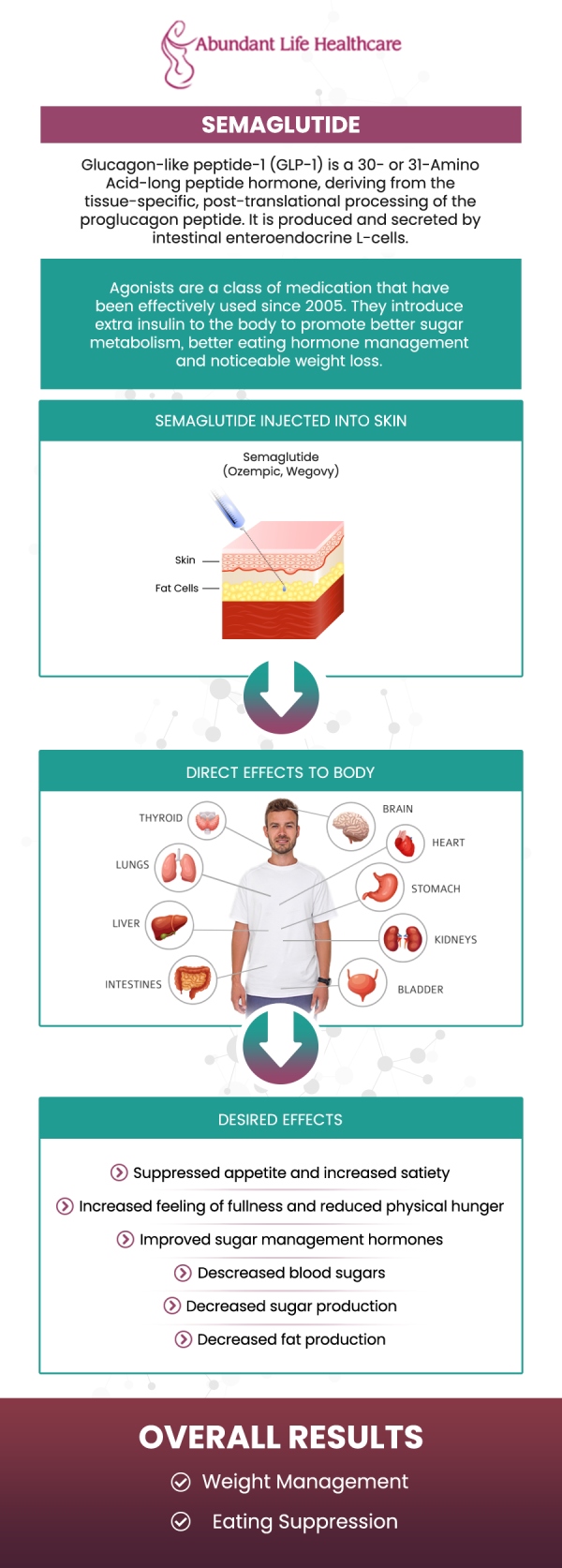
Table of Contents:
Will I notice a decrease in my appetite immediately after my first semaglutide injection?
How many weeks does it typically take to feel the full appetite-blocking effects of semaglutide?
Does appetite suppression become more pronounced as my semaglutide dosage increases?
Why do I start feeling hungry again a day or two before my next weekly semaglutide shot?
What should I do if I have been taking semaglutide for a month but still feel constantly hungry?
Dr. Marc Jean-Gilles, DO, FACOG Breaks Down How Long It Takes for Semaglutide to Suppress Appetite
It’s understandable to wonder whether you’ll feel a change in appetite right after your first semaglutide injection. For most people, the immediate effects are subtle. Semaglutide works by mimicking a naturally occurring hormone called GLP‑1, which helps regulate hunger and food intake. When the medication is first introduced into your system, it begins interacting with receptors in the brain that influence appetite, but these pathways take time to adjust. It’s uncommon to experience a dramatic reduction in hunger on day one. Instead, many patients notice small changes in cravings or fullness over the first few days after injection.
Your body needs time to adapt to the presence of the medication. Initial effects may be mild and sometimes overshadowed by your typical hunger patterns. Some patients report feeling slightly less hungry at meals shortly after starting, while others don’t notice much difference until their body has had multiple doses. This gradual adaptation is expected, and it’s part of building toward more significant appetite suppression as doses are titrated. Monitoring your experience and communicating with your provider can help you understand how semaglutide is working for you personally.
Most patients begin to notice meaningful appetite suppression within 4–6 weeks of consistent semaglutide treatment, but the timeline varies. Semaglutide is usually started at a lower dose and gradually increased to optimize effectiveness while minimizing side effects. Early in treatment, your body is acclimating to the medication, and appetite regulation may be inconsistent. As your dose increases and circulating levels of the drug stabilize, the appetite‑blocking effects become more pronounced.
By weeks 4 through 8, many individuals report that they feel fuller sooner during meals, experience fewer strong cravings, and think less frequently about food. This doesn’t mean hunger disappears entirely — rather, the intensity of hunger signals tends to diminish. Not everyone follows the exact same timeline because factors like baseline metabolism, eating habits, stress, sleep patterns, and individual responsiveness to semaglutide influence how quickly changes occur.
Regular follow‑up with your care team allows your provider to assess your progress and adjust your dose to support your goals. It’s also important to integrate supportive habits, such as balanced meals and hydration, to help maximize the appetite‑regulating benefits of treatment over time.
Yes — appetite suppression generally becomes more noticeable as your semaglutide dosage increases, up to the target therapeutic level. Semaglutide is often started at a lower dose to allow your body to adjust and reduce the likelihood of side effects like nausea. Over several weeks, your provider will typically increase the dose in a step‑wise fashion. With each titration, many patients report progressively stronger reductions in hunger and fewer cravings.
This pattern happens because higher doses lead to greater activation of GLP‑1 receptors in areas of the brain that influence appetite and satiety. As these receptors receive more consistent stimulation, signals that help you feel full and satisfied become more effective. You may find that foods you used to crave now hold less appeal or that you feel comfortably full after smaller portions. While this trend is common, the degree of appetite suppression isn’t identical for everyone. Some people respond more quickly and strongly, while others experience gradual changes over time.
It’s essential that dose increases are done under medical supervision. Your provider will balance the benefits of stronger appetite suppression with your overall tolerance and response. Open communication about how you’re feeling at each dose helps ensure your treatment plan is both safe and effective for your individual needs.
It’s not unusual to notice an uptick in hunger as you approach the end of your weekly semaglutide dosing cycle. Semaglutide is typically administered once weekly because it has a long duration of action, but drug levels in your bloodstream still rise and fall with each dose. Shortly after injection, concentrations peak and appetite‑regulating effects are strongest. As the week progresses, circulating levels gradually decline. For some individuals, this downward trend can be associated with a slight return of hunger or cravings a day or two before the next scheduled dose.
This effect doesn’t mean the medication isn’t working — it reflects the natural pharmacokinetics of semaglutide and individual variability in how quickly the drug is metabolized and cleared. Factors such as metabolism, activity level, and eating behaviors can influence how noticeable this end‑of‑cycle hunger feels.
If this pattern is bothersome or significantly impacts your eating habits, discuss it with your provider. In some cases, slight adjustments to timing, supportive nutritional strategies, or behavioral approaches can help smooth out these fluctuations and make hunger more manageable throughout the week.
If you’ve been on semaglutide for a month and still feel persistently hungry, it’s important to address this with your provider — and you’re not alone. Appetite responses vary widely among individuals, and some people take longer to experience the full regulatory effects of treatment. By the four‑week mark, many patients notice some appetite reduction, but others may still be adjusting. A few key considerations can help guide the next steps.
First, confirm that you’re on the appropriate dose and following the prescribed titration schedule. Semaglutide’s appetite‑suppressing benefits often become more evident at higher target doses reached after several weeks. Second, evaluate other factors that influence hunger, such as stress, sleep quality, hydration, and meal composition. High‑protein meals and regular food patterns can help stabilize appetite while your body adapts to treatment.
Your provider may recommend behavioral strategies, dietary adjustments, or continued dose progression to support your goals. Persistent hunger doesn’t necessarily mean the medication isn’t working — it may mean your body needs more time or a tailored approach. Regular communication ensures your treatment plan evolves with your experience and supports long‑term success.
According to Dr. Marc Jean‑Gilles, DO, FACOG, appetite suppression with semaglutide doesn’t occur overnight — it’s a process. Dr. Jean‑Gilles explains that semaglutide works by influencing the brain’s hunger and fullness centers, but this biological signaling takes time to shift meaningfully. Early in treatment, patients may notice mild changes in cravings, but the most consistent appetite reduction tends to emerge after several weeks of regular dosing.
Dr. Jean‑Gilles emphasizes the importance of the dose escalation schedule. Starting low and titrating gradually helps the body adjust while patients work toward doses that deliver stronger appetite‑regulating effects. He notes that many patients begin to feel more satisfied with smaller portions and fewer cravings around weeks 4 through 8, but this timeline can vary. Some notice changes earlier, while others take longer depending on metabolism, lifestyle, and individual sensitivity.
He also underscores that semaglutide is most effective when combined with supportive dietary and behavioral strategies. Dr. Jean‑Gilles encourages patients to focus on balanced nutrition, consistent meal patterns, and clear communication with their care team. By setting realistic expectations and tracking progress over time, patients can better understand how and when semaglutide begins to influence appetite in a way that supports their health goals. For more information, contact us today or book an appointment online. We are conveniently located at 601A Professional Drive, Suite 370, Lawrenceville, GA 30046. We serve patients from Lawrenceville GA, Suwanee GA, Snellville GA, Duluth GA, Dacula GA, Lilburn GA, Loganville GA, Auburn GA, and surrounding areas.
Check Out Our 5 Star Reviews


Additional Services You May Like

Additional Services You May Like
- Obstetrics
- Pregnancy
- Gynecologist
- Birth Control
- Labiaplasty
- Microblading
- Weight Loss
- Semaglutide GLP-1
- Pap Smears
- Pelvic Pain
- Laser Hair Removal
- In House Ultrasound (Including 3D)
- Vaginal Birth After C-Section (VBAC)
- High Risk Pregnancy
- Multiple Gestations
- Postpartum Counseling
- 24hour/365days On Call Service
- Annual Exam
- Abnormal Uterine Bleeding
- Management Of Endometriosis
- Ultrasound
- Pelvic Organ Prolapse
- Urinary Incontinence
- Perimenopause And Menopause
- Sexual Dysfunction
- Cool Sculpting
- Body Contouring
- Ozempic
- Civil Surgeon
- Hormone Replacement Therapy
- Immigration Medicine
- Biote Hormone Pellets
- GLP-1
- Peptide Therapy
- Menopause
- Foundayo


 Send Text
 How May I Help You?