

Period Pain: Could It Be Endometriosis?
Severe period pain that forces you to pause your life is not merely a normal part of menstruation; it could be a crucial warning sign of endometriosis. This chronic condition occurs when tissue similar to the uterine lining grows outside the uterus, causing intense, radiating cramps and deep pelvic discomfort that standard painkillers rarely alleviate. If your menstrual pain consistently disrupts your daily routine, it is essential to look beyond typical cramps and consult Dr. Marc Jean-Gilles, DO, FACOG, to uncover the true underlying cause. For more information, contact us today or book an appointment online. We are conveniently located at 601A Professional Drive, Suite 370, Lawrenceville, GA 30046.
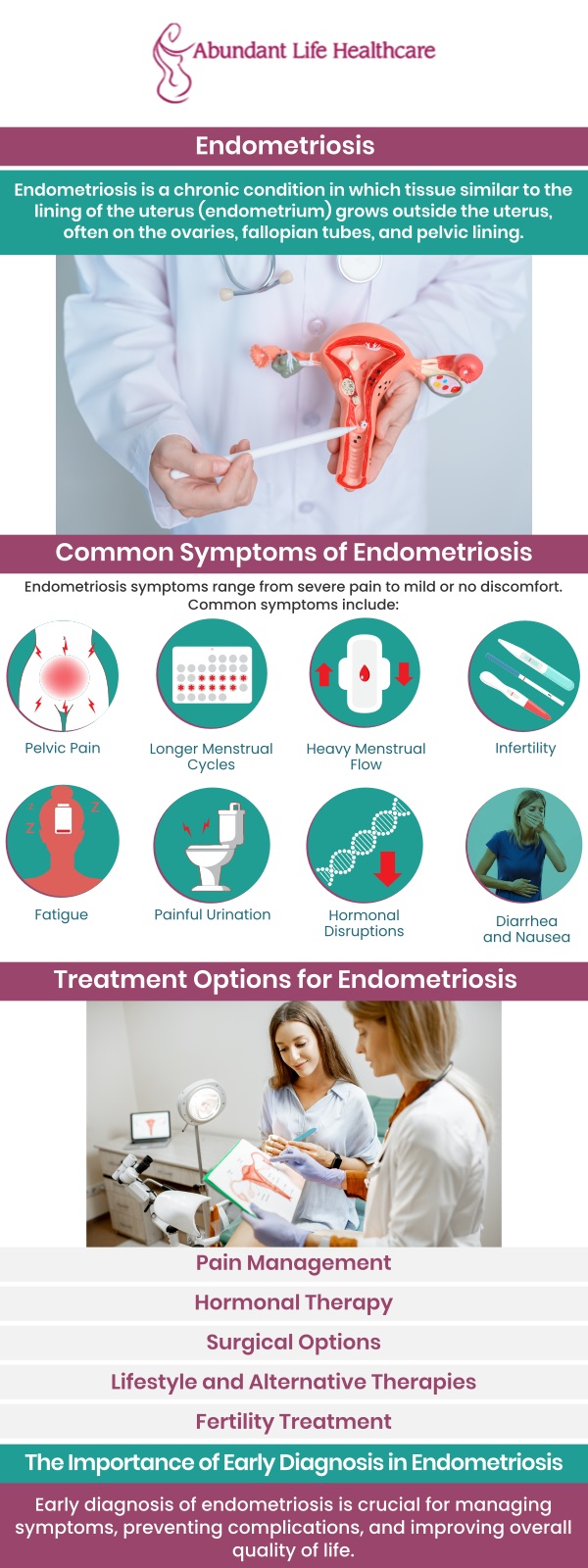
Table of Contents:
How severe can period pain be in women with endometriosis?
What is the difference between normal period pain and pain caused by endometriosis?
Can endometriosis cause pain outside of your menstrual cycle?
Does endometriosis always cause heavy menstrual bleeding?
When should you see a doctor about period pain that could be endometriosis?
Endometriosis and Severe Period Pain: Get Professional Care at Abundant Life Healthcare
Period pain associated with endometriosis can range from mild discomfort to debilitating agony. For some women, the pain may feel similar to typical menstrual cramps, but for many, it is significantly more intense—often described as sharp, stabbing, or throbbing. This pain can begin days before your period, continue throughout menstruation, and sometimes linger even after your period ends.
In severe cases, endometriosis pain can disrupt your daily life, making it difficult to work, attend school, or manage household responsibilities. You might also notice pain that radiates to your lower back, pelvis, or legs. Beyond menstrual cramps, endometriosis can cause chronic pelvic pain, pain during or after sex, discomfort with bowel movements, and pain while urinating—especially during your period.
It’s important to understand that the severity of your pain does not always reflect the extent of endometrial tissue growth. Some women with minimal endometriosis experience severe symptoms, while those with more extensive disease may have milder discomfort. Chronic pain from endometriosis can also lead to anxiety, depression, and a significant reduction in your quality of life.
At Abundant Life Healthcare, we are dedicated to helping you find relief. Our compassionate team takes the time to listen to your concerns and works with you to create a personalized treatment plan. There are effective options available to manage both your pain and the underlying condition. If you’re struggling with symptoms of endometriosis, we encourage you to reach out—so you can reclaim your comfort, health, and vitality.
Normal period pain, known as primary dysmenorrhea, typically begins just before or at the start of the period and lasts for one to two days. This pain is often described as a dull, cramping sensation in the lower abdomen or back, and usually responds well to over-the-counter pain medications, heating pads, and rest. For most, it does not significantly interfere with daily life.
However, if you are experiencing more severe, persistent, or unusual pain during your period, it could be a sign of an underlying condition such as endometriosis. Endometriosis occurs when tissue similar to the lining of the uterus grows outside the uterus, causing inflammation, scarring, and sometimes cysts. This can lead to intense pelvic pain that may begin days before your period and continue throughout your cycle. The pain is often sharp or stabbing and may radiate to the lower back or legs. Unlike typical period pain, endometriosis-related pain may not improve with standard pain relief methods and can be disruptive to everyday activities.
Other symptoms of endometriosis include pain during or after sex, pain with bowel movements or urination, heavy or irregular periods, fatigue, and sometimes difficulty becoming pregnant.
If your menstrual pain is severe, ongoing, interfering with your daily life, or associated with other unusual symptoms, we encourage you to schedule an appointment. We offer compassionate, comprehensive care—including evaluation, diagnosis, and personalized treatment options—to help you achieve your best health and well-being.
Endometriosis occurs when tissue similar to the lining of the uterus grows outside the uterus, such as on the ovaries, fallopian tubes, or other pelvic organs. Many people associate endometriosis with painful periods, but the reality is that the discomfort can happen at any time—not just during menstruation.
Why Does Endometriosis Cause Ongoing Pain?
The endometrial-like tissue outside the uterus responds to your body’s normal hormonal changes throughout your entire cycle. This means the tissue can become inflamed, swell, and even bleed at times other than your period. As a result, you may experience:
• Pelvic or back pain at any time in your cycle
• Pain during or after sex
• Discomfort with bowel movements or urination
• Chronic pain that may be triggered by activities like exercise
These symptoms are not limited to your period and can persist throughout the month. The body’s response to this misplaced tissue—including inflammation and the formation of scar tissue (adhesions)—can make symptoms worse or more constant.
When Should You Seek Help?
At Abundant Life Healthcare, we want you to know that pelvic pain is never something you should dismiss, even if it doesn’t align with your menstrual cycle. If you are experiencing any type of pelvic pain, discomfort during sex, or pain with bowel movements or urination, our compassionate healthcare providers are here to help.
How We Can Help
Our team at Abundant Life Healthcare offers comprehensive evaluation and personalized management plans for endometriosis and other causes of pelvic pain. We take the time to listen to your symptoms, provide thorough examinations, and work with you to find solutions that restore your comfort and quality of life.
Many patients ask us whether endometriosis always causes heavy menstrual bleeding. The answer is: not always. While some individuals with endometriosis do experience heavier periods, others may have normal or even lighter menstrual flow.
Endometriosis occurs when tissue similar to the lining inside the uterus grows outside the uterus. This can lead to a range of symptoms, including pelvic pain, painful periods (dysmenorrhea), pain during intercourse, and sometimes infertility. Although heavy menstrual bleeding (menorrhagia) can be one symptom, it is not present in every case.
Symptoms of endometriosis can vary widely. Some women may have significant endometrial tissue outside the uterus but experience few or no symptoms, while others may have severe symptoms with only a small amount of tissue. This is why it’s important to pay attention to any changes in your menstrual cycle.
If you notice heavier bleeding, increased pain, or any other changes, we encourage you to schedule a visit with one of our compassionate providers at Abundant Life Healthcare.
If your menstrual pain is severe enough to interfere with your daily life—whether that means missing work, school, or social events—it’s important to reach out for medical support.
You should consider making an appointment with us if:
• Your period pain does not improve with over-the-counter medications like ibuprofen or acetaminophen.
• The pain seems to be getting worse over time.
• You notice other symptoms, including pain during or after sex, pain with urination or bowel movements, unusually heavy or irregular bleeding, or difficulty getting pregnant.
• You experience pelvic pain outside of your period, or have a family history of endometriosis.
Early diagnosis and treatment can help manage your symptoms and reduce the risk of complications, such as fertility issues.
Are your monthly cramps crossing the line from uncomfortable to unbearable? Severe period pain can be a red flag for endometriosis, a condition that requires specialized, attentive care. At Abundant Life Healthcare in Lawrenceville, GA, Dr. Marc Jean-Gilles, DO, FACOG, provides compassionate, expert support for women navigating complex pelvic pain. Our patient-centered clinic is dedicated to uncovering the root cause of your discomfort rather than just dismissing the symptoms. Through thorough evaluation and customized endometriosis management plans, Dr. Marc Jean-Gilles, DO, FACOG, empowers you to take control of your reproductive health. For more information, contact us today or book an appointment online. We are conveniently located at 601A Professional Drive, Suite 370, Lawrenceville, GA 30046. We serve patients from Lawrenceville GA, Suwanee GA, Snellville GA, Duluth GA, Dacula GA, Lilburn GA, Loganville GA, Auburn GA, and surrounding areas.
Check Out Our 5 Star Reviews

Additional Services You May Like
Additional Services You May Like
- Obstetrics
- Pregnancy
- Gynecologist
- Birth Control
- Labiaplasty
- Microblading
- Weight Loss
- Semaglutide GLP-1
- Pap Smears
- Pelvic Pain
- Laser Hair Removal
- In House Ultrasound (Including 3D)
- Vaginal Birth After C-Section (VBAC)
- High Risk Pregnancy
- Multiple Gestations
- Postpartum Counseling
- 24hour/365days On Call Service
- Annual Exam
- Abnormal Uterine Bleeding
- Management Of Endometriosis
- Ultrasound
- Pelvic Organ Prolapse
- Urinary Incontinence
- Perimenopause And Menopause
- Sexual Dysfunction
- Cool Sculpting
- Body Contouring
- Ozempic
- Civil Surgeon
- Hormone Replacement Therapy
- Immigration Medicine
- Biote Hormone Pellets
- GLP-1
- Peptide Therapy
- Menopause
- Foundayo


 Send Text
 How May I Help You?